
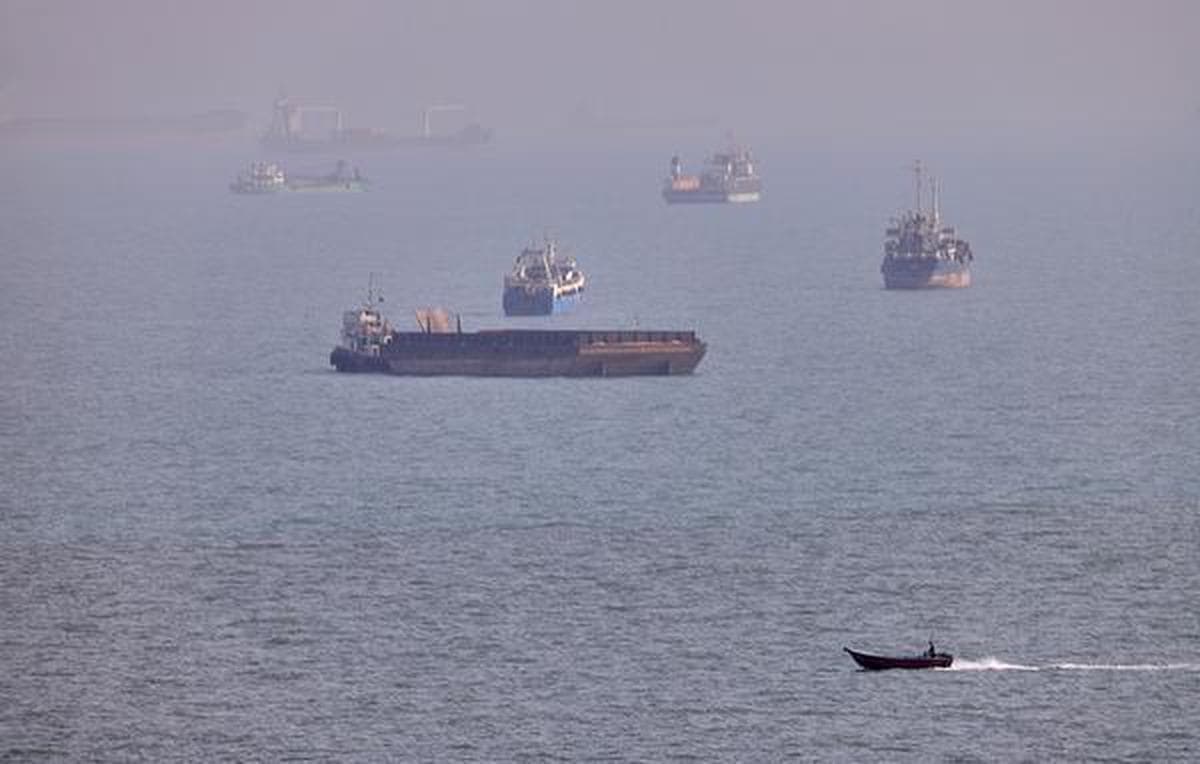
Iran is nearing a final agreement with Oman to establish new shipping lanes through the Strait of Hormuz, though officials maintain that the strategic waterway will remain closed until the United States meets several conditions. Iranian Foreign Minister Abbas Araghchi stated that while talks on maritime routes are in their final stages, reopening the strait requires the U.S. to lift sanctions, provide compensation for war damages, and end military threats against Tehran.
The proposed interim arrangement, which is reportedly endorsed by the Gulf Cooperation Council, would allow ships to transit without fees under a temporary management plan. However, Iran’s Supreme National Security Council has demanded a permanent end to hostilities, the withdrawal of U.S. military forces from the region, and the unconditional release of frozen assets. Tehran maintains that it is not engaged in direct negotiations with Washington, relying instead on intermediaries to exchange messages.
Amid these developments, Iran has appointed Mohsen Rezaei, a former Revolutionary Guard commander, as the new head of its Supreme National Security Council. This leadership change follows the recent deaths of senior officials during the ongoing conflict. Meanwhile, the U.S. has not officially commented on the specific demands, with reports indicating that Washington continues to rely on economic pressure as a primary strategy.


