
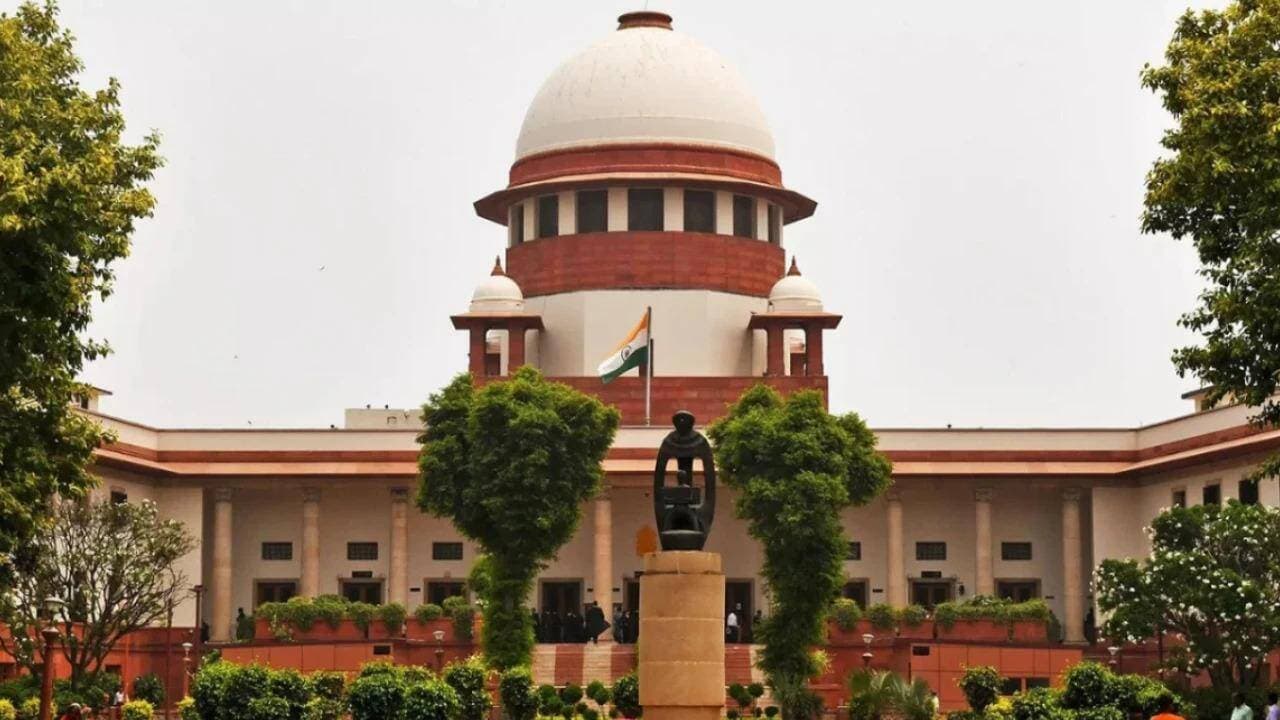
The Supreme Court of India has agreed to examine the legality of imposing criminal penalties on individuals who refuse to sing the national song, 'Vande Mataram,' due to religious beliefs or conscientious objection.
During the proceedings, the court declined to intervene in the debate over whether the song should consist of two or six stanzas, stating that such decisions fall under the wisdom of Parliament. The bench emphasized that it is not the role of the judiciary to dictate national symbols or aspirations. "The state is best suited to declare what the national song is and articulate national aspirations. If these kinds of issues are debated, then this would be the most unfortunate thing for the nation. Courts cannot dictate what the national song should be," the bench observed.
However, the court expressed concern regarding the potential for criminal prosecution under the Prevention of Insults to National Honours Act, which allows for up to three years of imprisonment for disrupting or preventing the rendition of the song.
The bench pointed to the 1986 Supreme Court ruling in the Bijoe Emmanuel case, which established that individuals cannot be penalized for not singing the national anthem provided they show respect by standing in silence. The court noted that this precedent remains the law of the land and must be considered by the Centre.
"Nobody's Article 25 rights or the right of a conscientious objector should be violated," the bench stated, adding that it would specifically examine whether penal consequences are appropriate for those who object to the song on grounds of conscience. The court has directed the Centre to file a response to the petition within two weeks.
Representing the petitioner, senior advocate S. Muralidhar argued that the song should be limited to its first two stanzas, citing a 1937 decision by the Congress Working Committee to accommodate those who oppose idol worship. Solicitor General Tushar Mehta, appearing for the Centre, urged the court not to issue a formal notice, characterizing the petition as an attempt to create sensationalism.
Mehta further asserted that the legislative process regarding the national song should not be subject to external pressure, stating, "Those who could not stall the amendment to Prevention of Insults to National Honours Act in Parliament are now bringing the issue to the court."


