
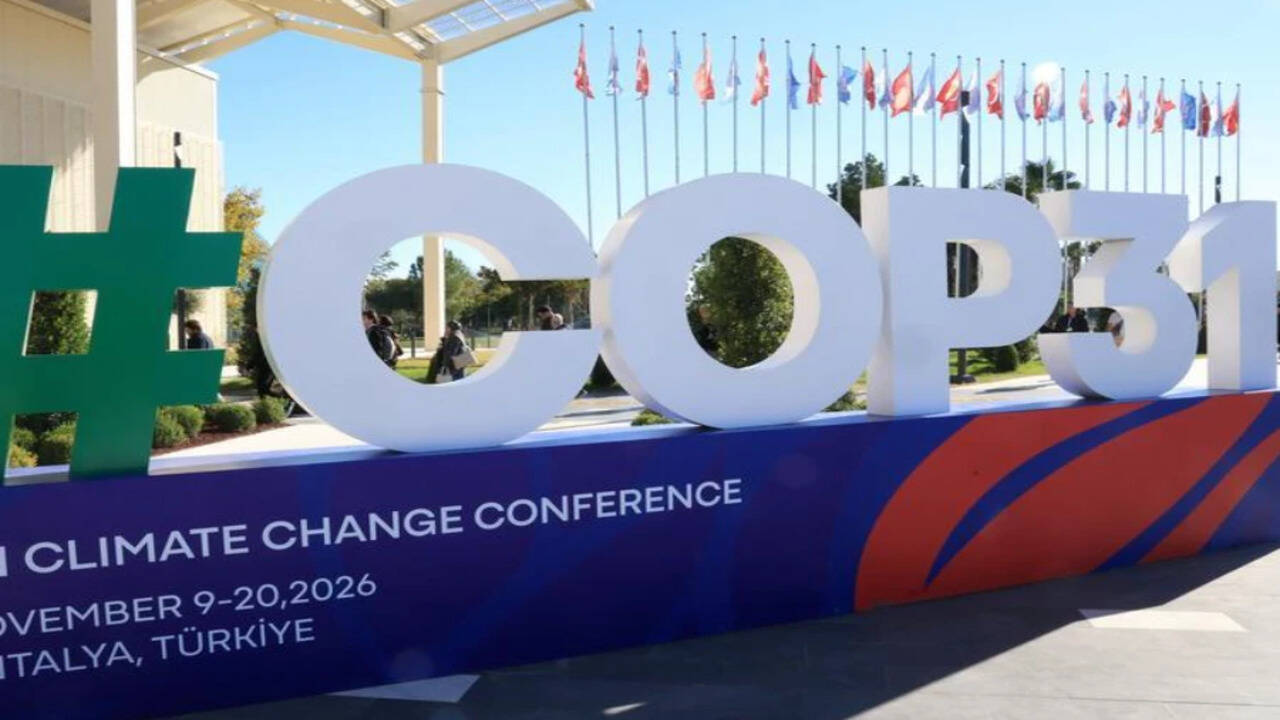
The 31st UN climate conference (COP31) in Antalya, Turkey, concluded on Sunday without a consensus on an overarching political outcome. Negotiations extended beyond the scheduled Friday deadline, yet countries failed to agree on a final deal due to disputes over the omission of a transition away from fossil fuels and insufficient climate finance commitments. UN Secretary-General Antonio Guterres expressed deep disappointment, noting the failure to meet the urgency of the climate crisis.
India, representing the Like-Minded Developing Countries (LMDC), criticized the text for diluting the historical responsibilities of developed nations but agreed to move forward to maintain multilateralism. Negotiator Amandeep Garg highlighted that developing nations were told climate finance discussions were effectively off the table. Meanwhile, major fossil fuel-producing nations resisted stronger language against oil, gas, and coal, while developed countries like the EU, UK, and Japan faced criticism for failing to provide measurable funding.
Despite the lack of a comprehensive pact, the conference adopted a '35 by 35' electrification goal, aiming for electricity to supply 35% of global final energy consumption by 2035. However, the agreement faced backlash for its focus on carbon capture, utilization, and storage (CCUS) technologies, which many experts and developing nations argue remain untested and insufficient. Critics described the summit as a significant political failure that prioritized industry interests over the needs of vulnerable communities.