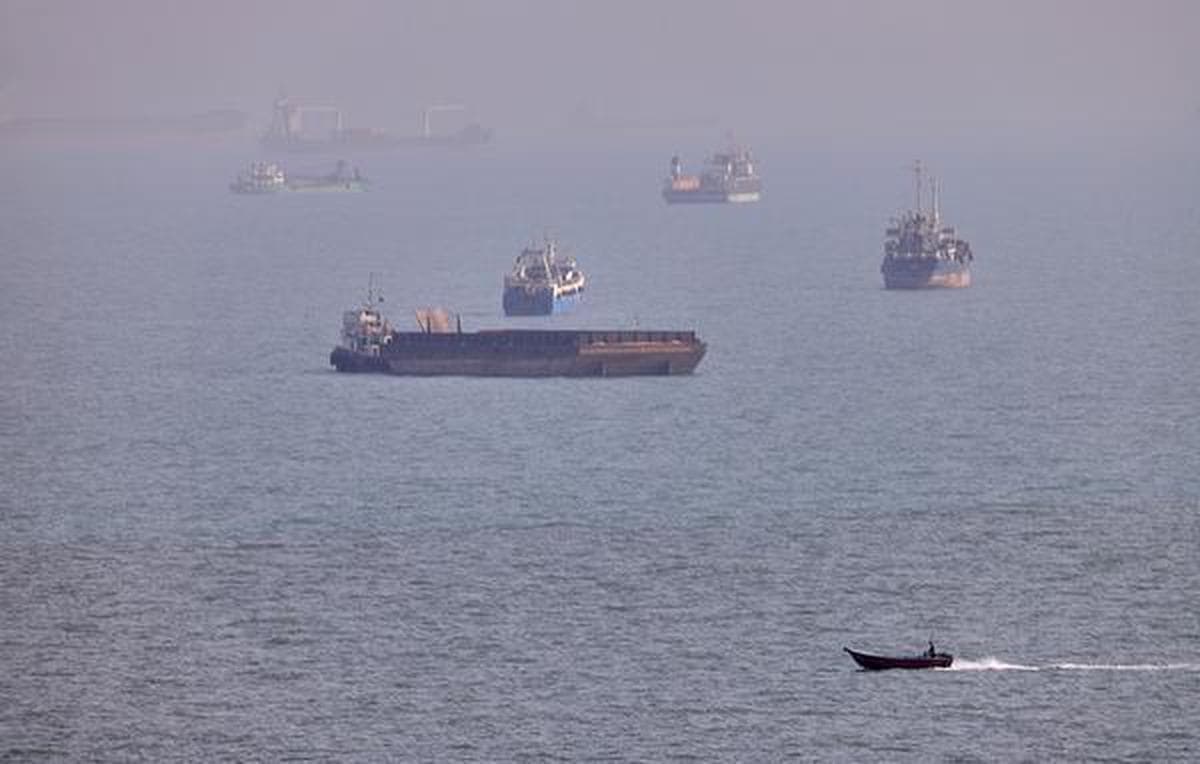

Iran has issued a list of six preconditions for reopening the Strait of Hormuz, including the end of the US naval blockade, the withdrawal of military forces, and the lifting of sanctions. While President Donald Trump stated that the US is currently "low-keying" negotiations to focus on economic pressure, Tehran maintains that it is not engaged in direct talks with Washington. Maritime intelligence firm Kpler reported that traffic through the vital waterway has significantly declined over the past week.
In a major security shift, Iran’s Supreme Leader Mojtaba Khamenei appointed veteran Revolutionary Guards commander Mohsen Rezaei to lead the Supreme National Security Council. Rezaei, a known hardliner who has previously expressed skepticism regarding negotiations with the US, replaces Mohammad Bagher Zolghadr. The appointment comes as Iran continues to navigate a complex regional conflict involving the US and its allies.
Simultaneously, the conflict has intensified in Yemen, where Iran-backed Houthi rebels and the internationally recognized government have exchanged fire. The Houthis recently claimed responsibility for attacks on Saudi forces and a refinery in Mocha, prompting concern from the United Nations. Global oil prices remain elevated as the combination of the Strait of Hormuz closure and regional instability continues to disrupt energy markets.