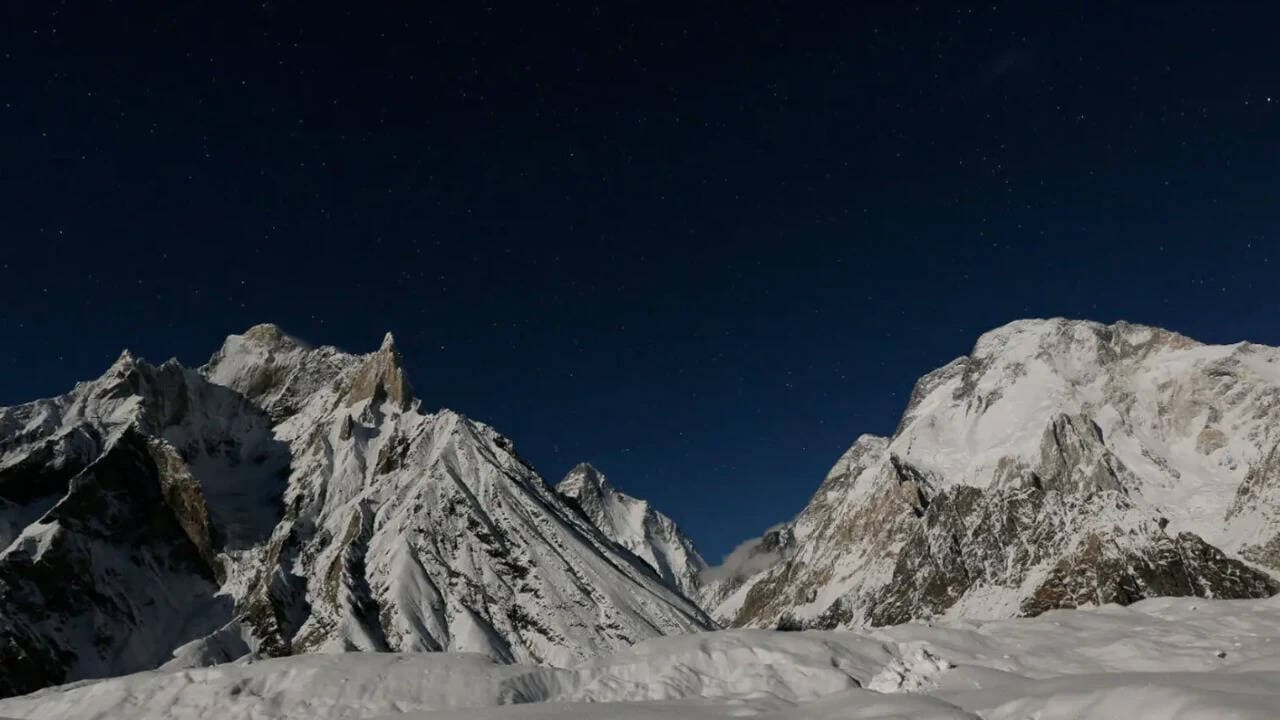

What if a forest could glow at night? What if an entire village lived without doors? Or what if you could walk across a bridge made from living tree roots?
Travel is not just about taking photographs in famous places. Sometimes, it is about discovering something so unusual that it changes the way we look at the world.
On World Tourism Day, September 27, here are seven fascinating destinations and experiences that show why our planet is worth exploring — and protecting.
1. A Beach That Glows at Night
In a few coastal locations around the world, visitors can sometimes witness seawater glowing blue after sunset.
The phenomenon is known as bioluminescence and is produced by certain microscopic marine organisms. When the water is disturbed by waves or movement, flashes of blue light can appear.
It can make the shoreline look like a scene from a science-fiction film.
2. Meghalaya's Bridges That Are Alive
In Meghalaya, India, some bridges aren't simply constructed — they are grown.
Communities have trained the aerial roots of rubber fig trees across rivers and streams. Over many years, the roots strengthen and form natural bridges capable of supporting people.
These living root bridges demonstrate how traditional knowledge can work with nature rather than replacing it.
3. A Maharashtra Village Famous for Houses Without Doors
Shani Shingnapur in Maharashtra became widely known for a long-standing local tradition in which many homes and establishments historically did not have conventional doors or locks.
The tradition is associated with the community's faith in Lord Shani and has made the village an unusual destination for visitors interested in local beliefs and customs.
4. India's Great Living Desert
The Thar Desert may appear empty from a distance, but it supports wildlife, villages and centuries-old cultural traditions.
Camel journeys, desert settlements, traditional music and spectacular night skies make Rajasthan's desert landscape one of India's distinctive travel experiences.
And after sunset, away from the light pollution of major cities, the sky itself can become the attraction.
5. A Place Where Clouds Become Part of the Journey
Meghalaya is home to some of India's wettest landscapes.
Around Mawsynram and Cherrapunji, dramatic cliffs, waterfalls, caves, forests and monsoon clouds transform the landscape.
Here, rain isn't necessarily something that ruins a trip. For many travellers, the rain is part of the experience.
6. Tamil Nadu — Where a Journey Can Take You Through Centuries
Tamil Nadu offers something remarkable: travelling a few hundred kilometres can feel like travelling through different periods of history.
You can see the ancient shore monuments of Mamallapuram, the magnificent Chola-era Brihadisvara Temple in Thanjavur, the streets surrounding the Meenakshi Amman Temple in Madurai, and then travel towards the Western Ghats, forests and hill stations.
History, architecture, nature and living traditions often exist remarkably close together.
7. The Most Important Destination May Be the One Near You
Tourism doesn't always require an international flight or an expensive resort.
A forgotten temple 30 kilometres from your home, a waterfall, an old fort, a village festival, a trekking trail or even a traditional food destination can become a memorable journey.
Sometimes we search thousands of kilometres away for experiences that exist almost in our own backyard.
Why Do We Really Travel?
Perhaps that is the real message of World Tourism Day.
We travel because we are curious.
We travel to see landscapes different from our own, taste unfamiliar food, hear another language and understand how other people live.
But every beautiful destination comes with a responsibility.
Don't leave plastic behind. Don't damage monuments. Don't disturb wildlife. Respect local people and their traditions. Support local businesses whenever possible.
Because the best traveller isn't necessarily the person who has visited the most places.
It is the person who leaves a place as beautiful as they found it.
World Tourism Day — September 27