A growing divide within the Kerala Health Department has come to light as government hospitals grapple with persistent medicine shortages. While Health Minister K. Muraleedharan has ordered the urgent procurement of essential drugs, bureaucratic friction has hindered a unified response, leaving patients to bear the financial burden of purchasing medication from private pharmacies.
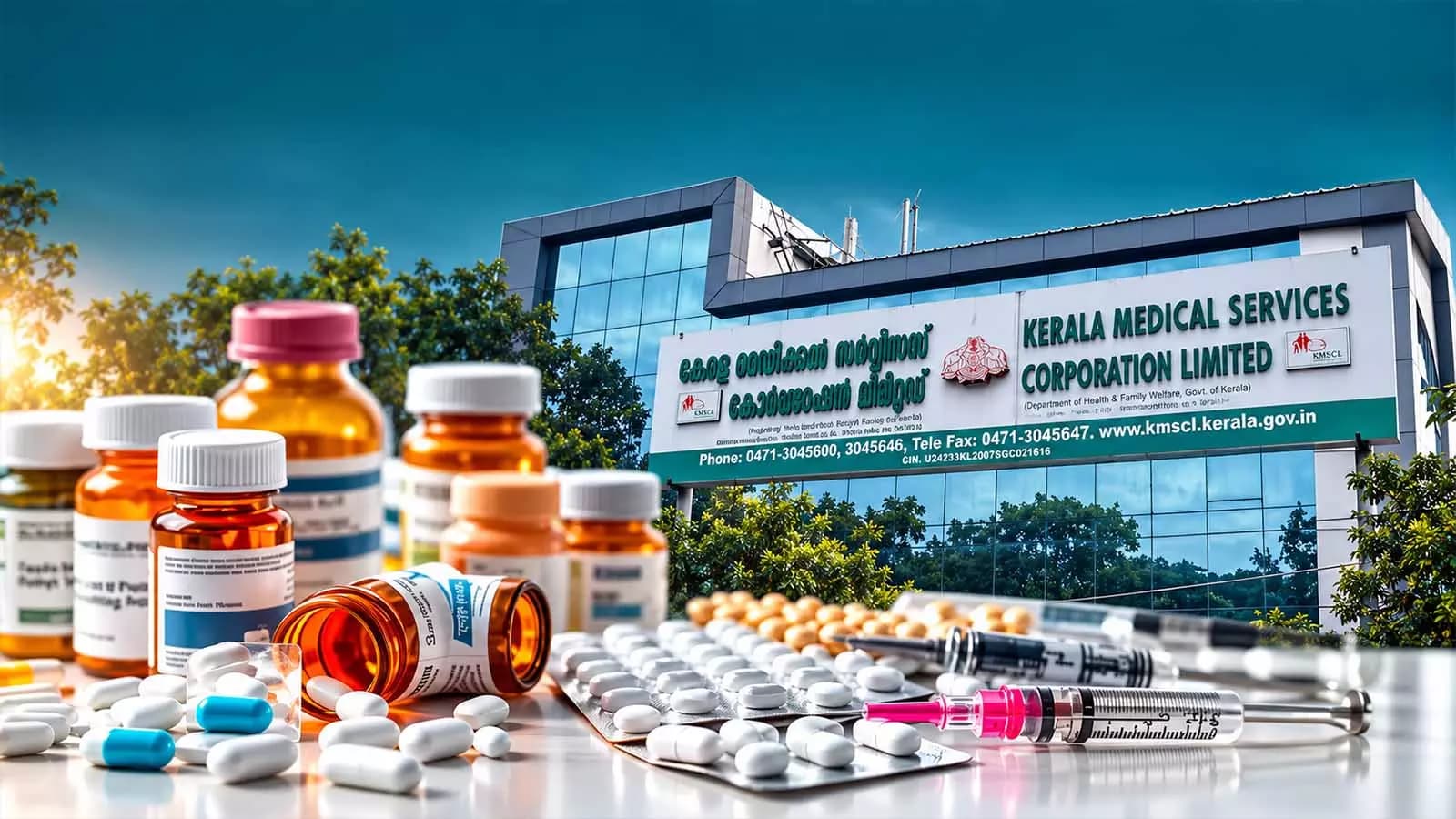
The conflict surfaced during a high-level meeting where the Health Minister pushed for immediate tenders to address the scarcity. In contrast, Health Secretary Sharmila Devi Joseph reportedly characterized the shortage as a media-driven narrative, suggesting that the Kerala Medical Services Corporation Limited (KMSCL) board could address the matter at a later date. This internal lack of clarity persists despite reports from the KMSCL general manager confirming that 28 specific medicines are currently unavailable.
Supply chain disruptions appear to be at the heart of the crisis, with district medical officers reporting significant pressure on warehouse stocks. The shortages span a critical range of treatments, including medication for diabetes, heart disease, cancer, and various infections. To manage the shortfall, some hospitals have resorted to local purchases, a practice underscored by an audio message attributed to the Director of Health Services, which also reportedly cautioned hospital superintendents against discussing the issue with the media.
Operational challenges at the KMSCL have further complicated the situation. The corporation is currently operating without a permanent managing director, relying on the general manager to oversee procurement. Recent attempts to secure supplies have been hampered by a lack of interest from vendors and higher price quotes, leading to a protracted re-tendering process and delays in quality verification.
Political criticism has intensified, with Opposition leader Pinarayi Vijayan accusing the government of attempting to minimize the crisis. Former Health Minister K. K. Shailaja has also weighed in, describing the situation as serious and calling for the appointment of a permanent, competent IAS officer to lead the KMSCL.
In response to the mounting pressure, Minister Muraleedharan has pledged to resolve the shortage of 18 priority items within a week. He has directed the KMSCL to hold an emergency board meeting and proposed reforms to the procurement process, including increased transparency and direct engagement with pharmaceutical companies. Despite these assurances, the immediate reality for many patients remains unchanged: the inability of government facilities to provide prescribed medication continues to result in significant out-of-pocket expenses.