
India's monsoon outlook faces growing uncertainty as the Indian Ocean Dipole (IOD) index has weakened to a neutral +0.18°C, diminishing hopes that it would offset the adverse impacts of El Nino. Simultaneously, the Pacific Ocean's Nino 3.4 index has surged to a record 2.8°C, surpassing the peak levels observed during the 2015-16 event. Meteorologists warn that this rapid intensification in August, occurring while the IOD declines, places the climate in uncharted territory.
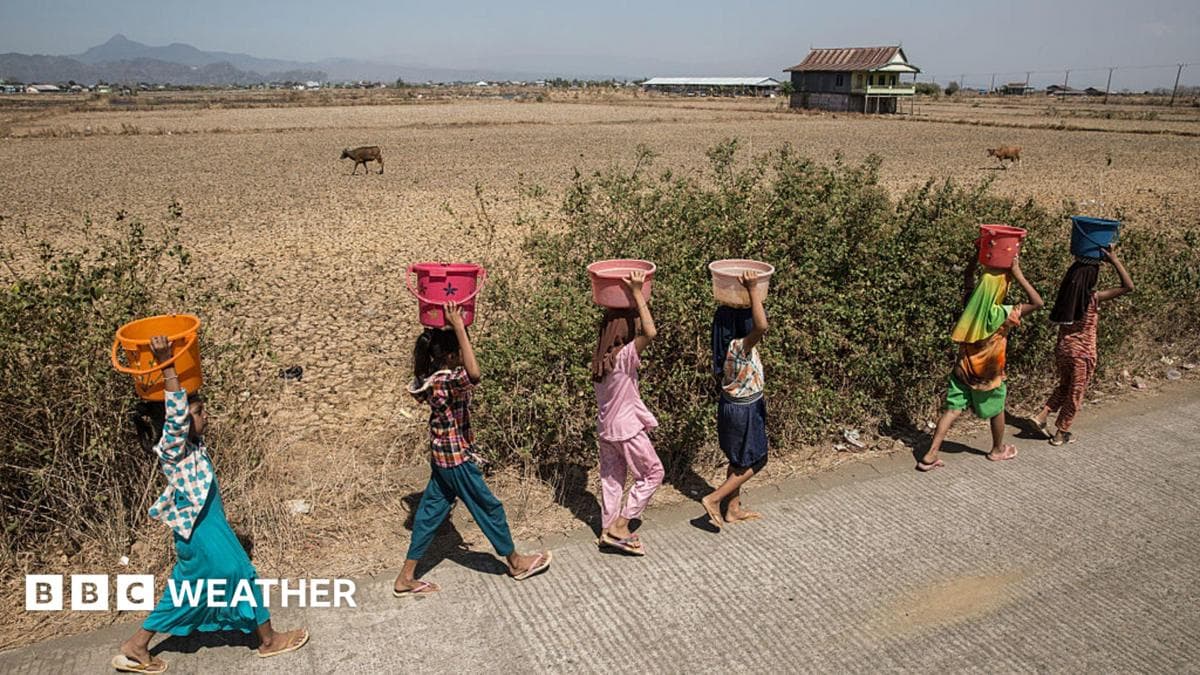
This shift in global weather patterns has contributed to an uneven monsoon distribution, with India's seasonal rainfall currently 13% below normal. While eastern regions continue to receive rainfall from Bay of Bengal low-pressure systems, large parts of northwest and central India are enduring prolonged dry spells.
The coming weeks are considered critical for determining the final impact on agriculture and water resources. Experts state that without fresh weather systems to compensate for these hostile climate signals, concerns regarding regional rainfall deficits are expected to intensify.