Nepal, which contributes only 0.1% to global greenhouse gas emissions and just 0.05% of industrial CO₂ emissions as of 2024, is suffering disproportionately from the effects of climate change.
While global energy-related CO₂ emissions are projected to reach a record 38.4 billion tonnes in 2025—a 0.4% increase—and atmospheric CO₂ concentrations have hit 427 ppm, the burden of this warming falls heavily on vulnerable nations.
Human-induced global warming reached 1.37°C in 2025, with projections suggesting the 1.5°C threshold could be breached within four years.
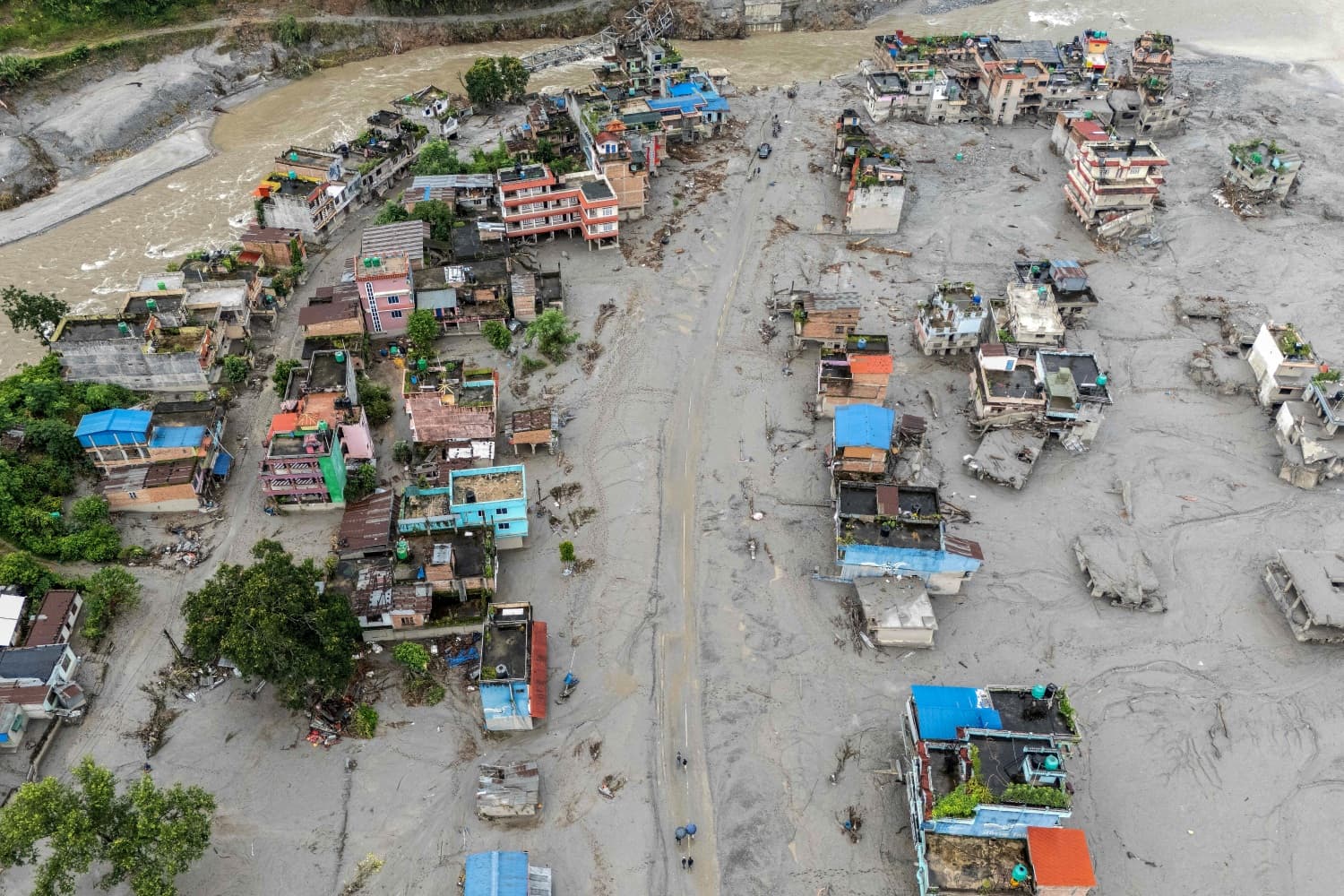
The impact is starkly visible in the Himalayas. On August 26, 2026, a massive glacier and rockslide on the Nepal-Tibet border triggered devastating floods of mud, ice, and debris.
Nepal’s Finance Minister estimates that reconstruction costs could reach $4 to $5 billion, equivalent to nearly 10% of the nation's economy. This crisis highlights a profound climate injustice, where nations with minimal historical emissions pay the highest price for global industrial activity.
Experts emphasize that beyond emission cuts, vulnerable countries urgently require climate adaptation funding, advanced monitoring technology, and support from loss and damage funds to survive the escalating environmental threat.