
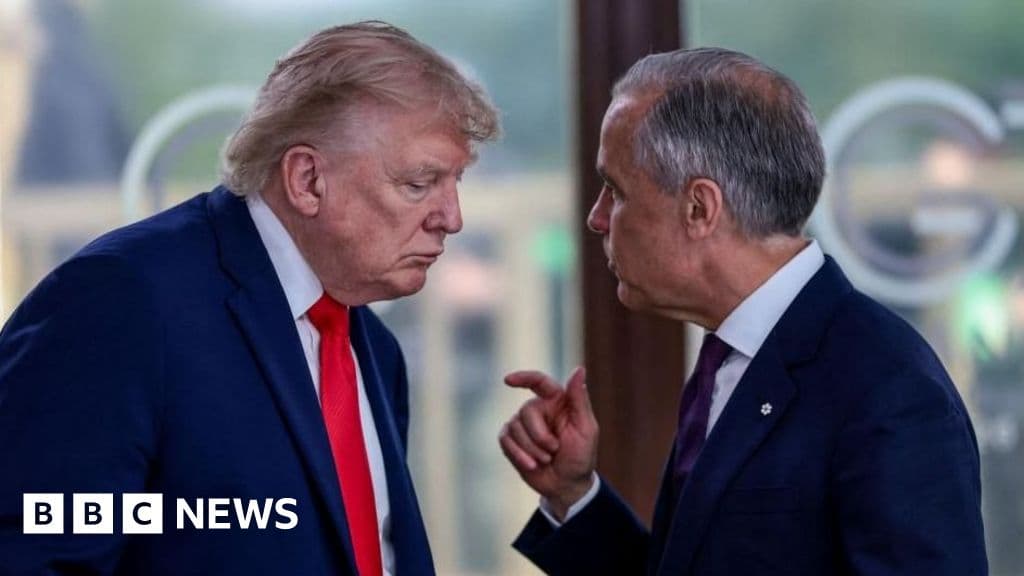
Canada has implemented retaliatory tariffs on nearly C$28 billion worth of American products, including steel, furniture, and clothing, with duties reaching up to 50%. This move follows the collapse of trade negotiations in late August, as both nations remain at an impasse over their $900 billion bilateral trading relationship. While Canada initially included seafood in its counter-measures, the government later removed those items following industry concerns.
Prime Minister Mark Carney stated that Canada remains open to a durable trade deal, though US Trade Representative Jamieson Greer maintains that the responsibility for resuming talks lies with Ottawa. Meanwhile, President Donald Trump has threatened further action against Canadian firms, including aircraft manufacturer Bombardier, and criticized Canada's exchange rate. The US currently maintains its own tariffs on Canadian vehicles, steel, aluminum, and lumber.
Economists and the Canadian Chamber of Commerce have warned that the escalating trade dispute could increase consumer prices and lead to prolonged economic uncertainty. Despite recent job losses, the Canadian government is actively seeking to diversify its trade partners, noting a decline in the share of exports destined for the United States.


