
US President Donald Trump has signed into law a new sanctions bill targeting Russia, granting his administration the authority to impose tariffs of up to 100% on countries that purchase Russian oil and gas. The legislation, which passed Congress on Wednesday, specifically aims at Russia's energy and defense sectors, as well as the "shadow fleet" of tankers utilized by Moscow to bypass existing international restrictions.
Under the new mandate, the administration is required to identify the five largest importers of Russian crude oil or gas and impose tariffs on their goods within 30 days. The law also extends to nations that knowingly initiate new energy purchases from Russia or are identified as top contributors to sanctions evasion. While the bill does not explicitly name countries, major importers such as India and China are considered potential targets. The legislation grants the White House significant discretion in determining these lists, though it also provides the president with the authority to waive these measures on national security grounds.
White House legislative director James Braid noted that the bill represents the first instance in nearly four decades that Congress has delegated such extensive tariff-setting powers to the executive branch. The broad language of the law has drawn criticism from legal experts, with attorney Laura Brank warning that the wide-ranging authority could be subject to abuse. Conversely, the Foundation for Defense of Democracies has defended the legislation, asserting that it provides clear criteria for enforcement.
Economic analysts have raised concerns that the implementation of these tariffs could disrupt global energy supplies and exacerbate inflationary pressures. There is also political sensitivity surrounding the timing, as any duties announced within the 30-day window would coincide with the lead-up to the November midterm elections. Former Treasury Department official Ben Harris described the legislation as imprecise, stating, "The definitions are vague and the president has kind of a get-out-of-jail-free card in the form of a waiver."
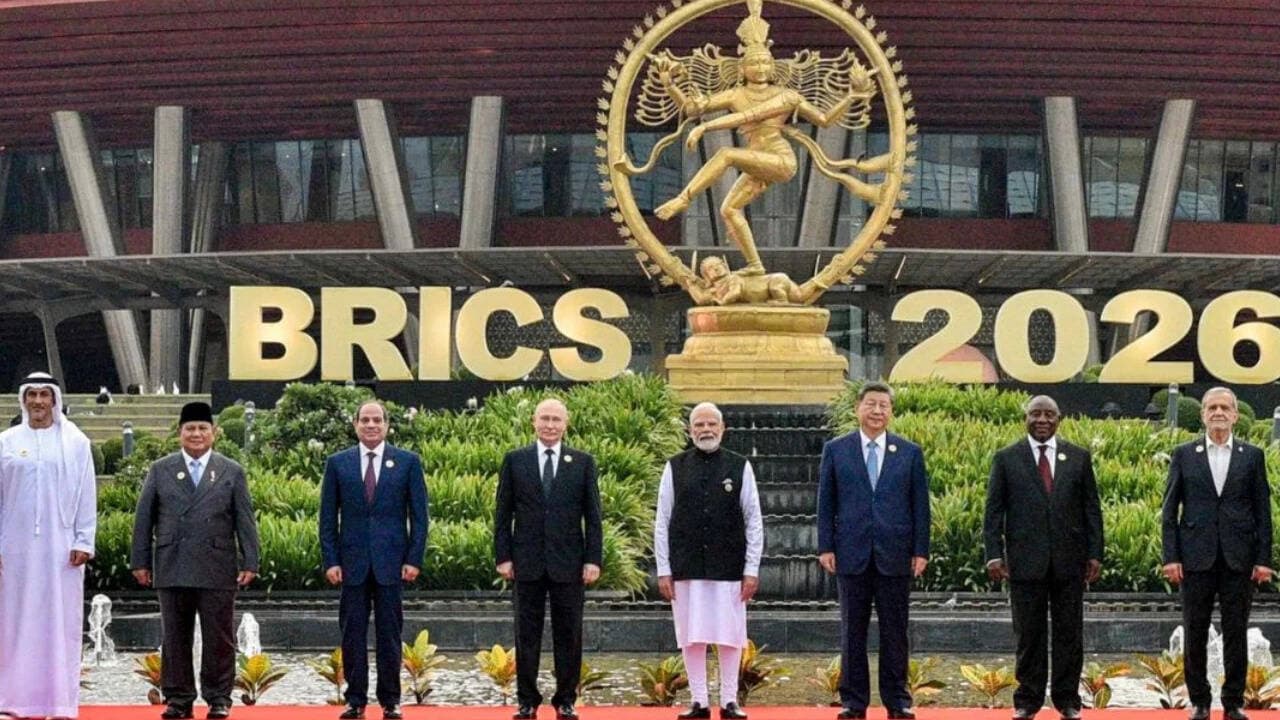
While India has cautioned that such tariffs could negatively impact bilateral relations, China has formally opposed the measure, labeling it an exercise of "long-arm jurisdiction" that lacks a foundation in international law. Although President Trump has previously faced legal setbacks regarding his use of tariff powers, experts suggest that challenges to this new law may prove more difficult because Congress has explicitly authorized the duties.