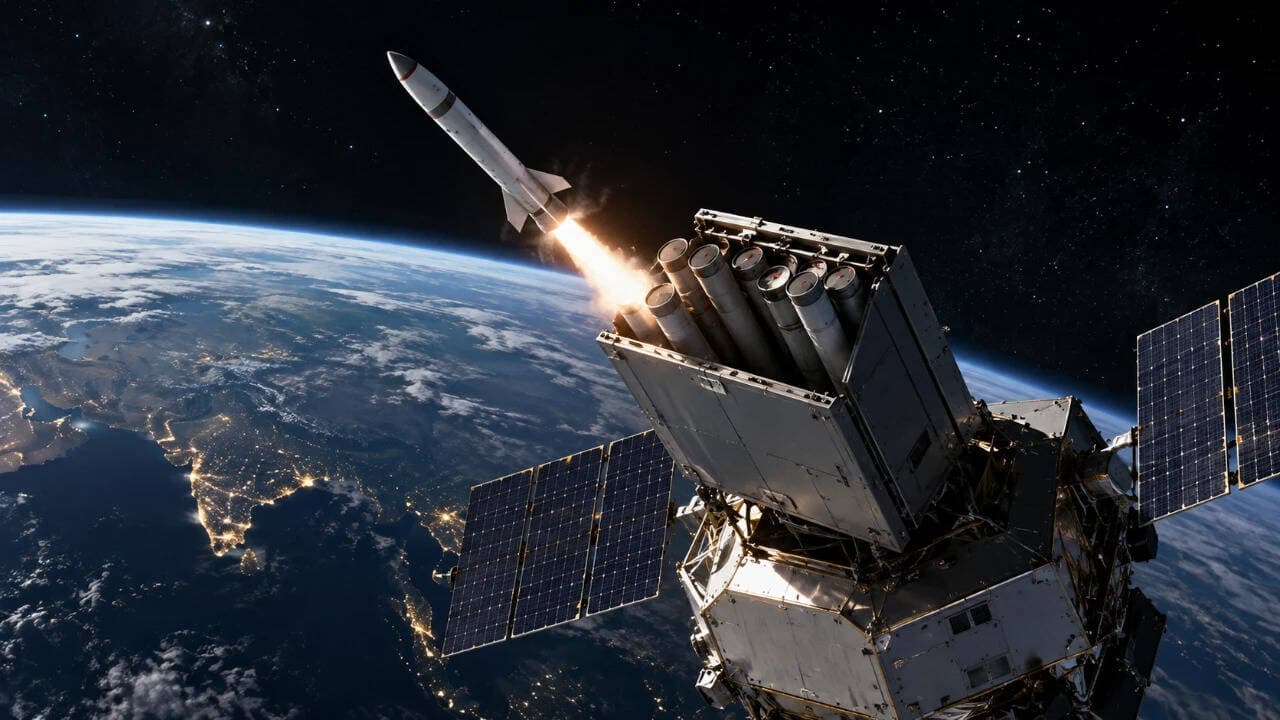

Saudi Arabia recently placed the holy city of Mecca on emergency alert following a reported drone threat from Houthi rebels. While the Saudi-led coalition intercepted the drone south of the city, the Houthi group denied the allegations, labeling them fabrications and asserting their operations target only military and oil facilities. Major General Turki Al-Malki condemned the incident as a hostile act, emphasizing that the security of the Two Holy Mosques remains a red line.
The incident has tested the newly signed Mecca Joint Defence Agreement between Saudi Arabia, Pakistan, and Turkey. Although Pakistan’s Prime Minister Shehbaz Sharif condemned the attempted attack, Islamabad has avoided direct military involvement, citing the agreement's operational status. Defense Minister Khawaja Asif noted that while Pakistan is bound to react to attacks on Saudi Arabia, the current situation remains complex due to Pakistan's regional diplomatic and economic interests.
Amid these tensions, reports indicate that Saudi Arabia has sought intelligence assistance from Israel, mediated by the US Central Command, to better monitor Houthi military deployments. Despite the lack of formal diplomatic ties between Riyadh and Tel Aviv, the kingdom is reportedly leveraging this support to secure its borders. Meanwhile, Houthi spokesperson Brigadier General Yahya Saree claimed that Saudi airstrikes have continued across Yemen, further escalating the regional conflict.