
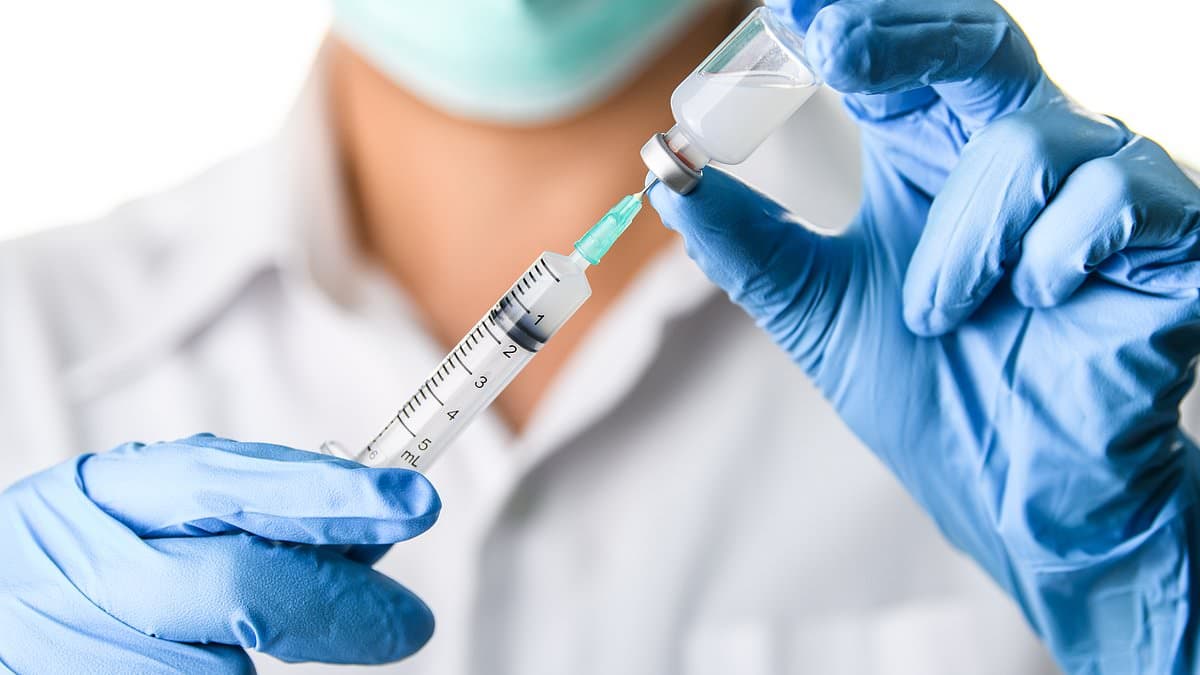
A global clinical trial led by a Sydney-based researcher has demonstrated that a pioneering personalised cancer vaccine can substantially lower the risk of death or recurrence in melanoma patients. The study revealed that the vaccine, when used alongside the immunotherapy drug pembrolizumab—marketed as Keytruda—reduced the risk of cancer returning or patient mortality by 42 per cent compared to using the drug alone.
Professor Georgina Long, medical director of Melanoma Institute Australia and chair of melanoma medical oncology at the University of Sydney, served as the principal investigator for the trial. She described the findings as a transformative moment for oncology. 'These results show that patients with earlier-stage melanoma can be treated after surgery in a fundamentally new way,' Professor Long said. 'Just as email transformed how we communicate, individualised neoantigen therapy has the potential to transform how we treat cancer.'
The vaccine, named intismeran, is an mRNA-based treatment developed by Moderna and MSD. It is custom-built for each patient by analysing the unique genetic profile of their tumour to identify neoantigens—abnormal proteins resulting from mutations. By training the immune system to recognise these specific markers, the vaccine aims to bolster the body's ability to detect and destroy cancer cells. Professor Long noted that the technology represents a unique integration of mRNA platforms, personalised medicine, and advanced data algorithms, stating, 'It is equivalent to the first email which has absolutely changed communication. This is that sort of change in cancer, in my view.'
The trial involved 1,137 participants across 157 global sites, including several Australian institutions such as the Melanoma Institute Australia, Westmead Hospital, Princess Alexandra Hospital, and the Peter MacCallum Cancer Centre. All participants had undergone surgery to remove their melanoma but remained at high risk of recurrence, and none had previously received drug therapy for the disease. The research was funded by Merck and Moderna.
Associate Professor Seth Cheetham, director of the Australian mRNA Cancer Vaccine Hub, hailed the results as a definitive success for the technology. 'This is the first really large trial that's shown definitively that this technology works, it reduces the risk of recurrence or spread and results in better outcomes compared to standard of care,' he said. 'This is really the gold standard, and it's what the entire field's been waiting on.'
Looking ahead, Professor Long suggested that the success of this approach could extend beyond melanoma to other malignancies, including lung, kidney, and bladder cancers. 'I think track record predicts future,' she said. 'Advances in melanoma transformed lung cancer, kidney cancer, head and neck cancer, bladder cancer, so many other cancers.' Following the announcement of the trial's results, Moderna's share price saw a significant increase of over 170 per cent in a single trading day in August.