
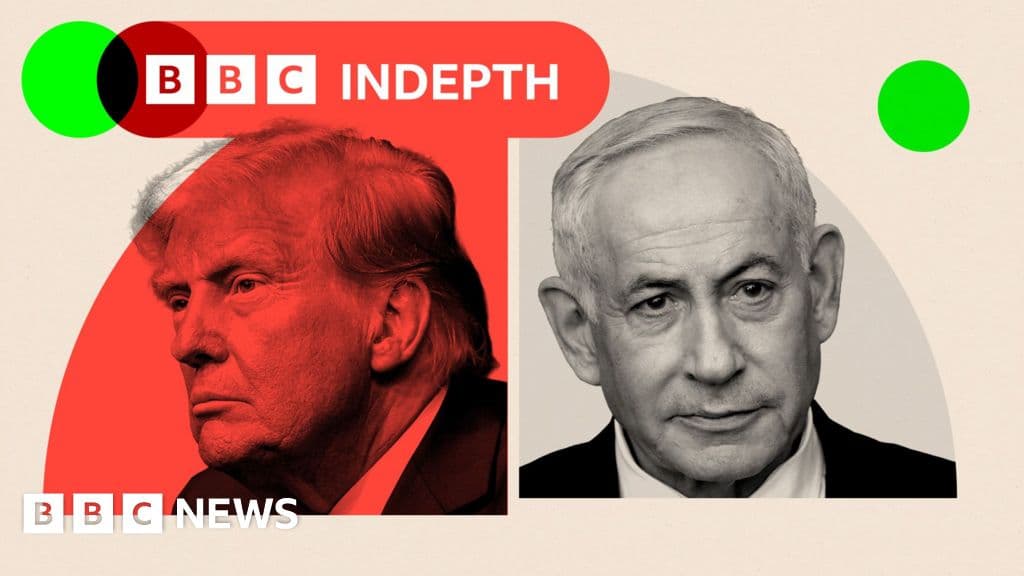
Voters in Israel and the United States are set to head to the polls within days of each other, in a rare electoral overlap that carries significant weight for international security and the global economy. Israelis will cast their ballots on Tuesday to elect a new parliament, followed one week later by US voters choosing a new Congress.
While political campaigns are often viewed through a local lens, these two elections are deeply intertwined. The ongoing conflict with Iran serves as a primary point of convergence. Since the commencement of aerial operations in February, the war has resulted in the destruction of Iranian military infrastructure and leadership, yet the regime remains in power, having retaliated by seizing control of the Strait of Hormuz and disrupting global energy supplies.
In Israel, Prime Minister Benjamin Netanyahu has utilized the campaign period to emphasize the potential for further military action against Iran, citing unverified claims regarding the country's nuclear program. Analysts suggest this rhetoric is intended to bolster his standing as a security-focused leader following the October 7 Hamas-led attacks. Conversely, there is speculation that Netanyahu might attempt to remain in power as a caretaker prime minister post-election to avoid an official inquiry into his leadership and ongoing corruption allegations. Gadi Eisenkot, a former military chief and political rival, has explicitly ruled out joining a unity government, warning against the escalation of war for political gain.
US President Donald Trump has publicly endorsed Netanyahu’s campaign, suggesting the two should finish the job in Iran. However, reports indicate internal friction, with suggestions that Trump may have previously restrained Israel from further strikes to avoid a spike in energy prices ahead of the US midterms. A Western diplomat noted that after the midterms, Trump may shift into a legacy-focused phase, seeking to demonstrate agency on international issues. Trump has also signaled that if Israel elects a leader other than Netanyahu, the US might be less inclined to intervene directly in the conflict.
For Iran, the electoral outcomes are critical. Foreign Minister Abbas Araghchi has warned that continued attacks would endanger civilian lives and the global economy. Iranian officials have threatened to target energy facilities, infrastructure, and US military assets if hostilities persist.
Economic pressures, particularly the cost of living and energy prices, are central to both campaigns. In the US, the war has strained traditional bipartisan support for Israel. Some Democratic candidates, such as Michigan senatorial hopeful Abdul El-Sayed, have called for a reduction in military aid, while others, like New York congressional candidate Brad Lander, have taken public stances against Israeli military actions in the West Bank.
There is also a direct demographic link between the two nations. Republicans Overseas Israel estimates that approximately 500,000 Israelis hold American passports and are eligible to vote in both elections. Marc Zell, chairman of the group, noted that these voters could influence tight US contests, such as the Michigan senate race, by casting absentee ballots.
As the elections approach, the potential for a shift in leadership in Israel or a change in the balance of power in the US Congress could fundamentally alter the trajectory of the conflict in the Middle East and the stability of the global economy.