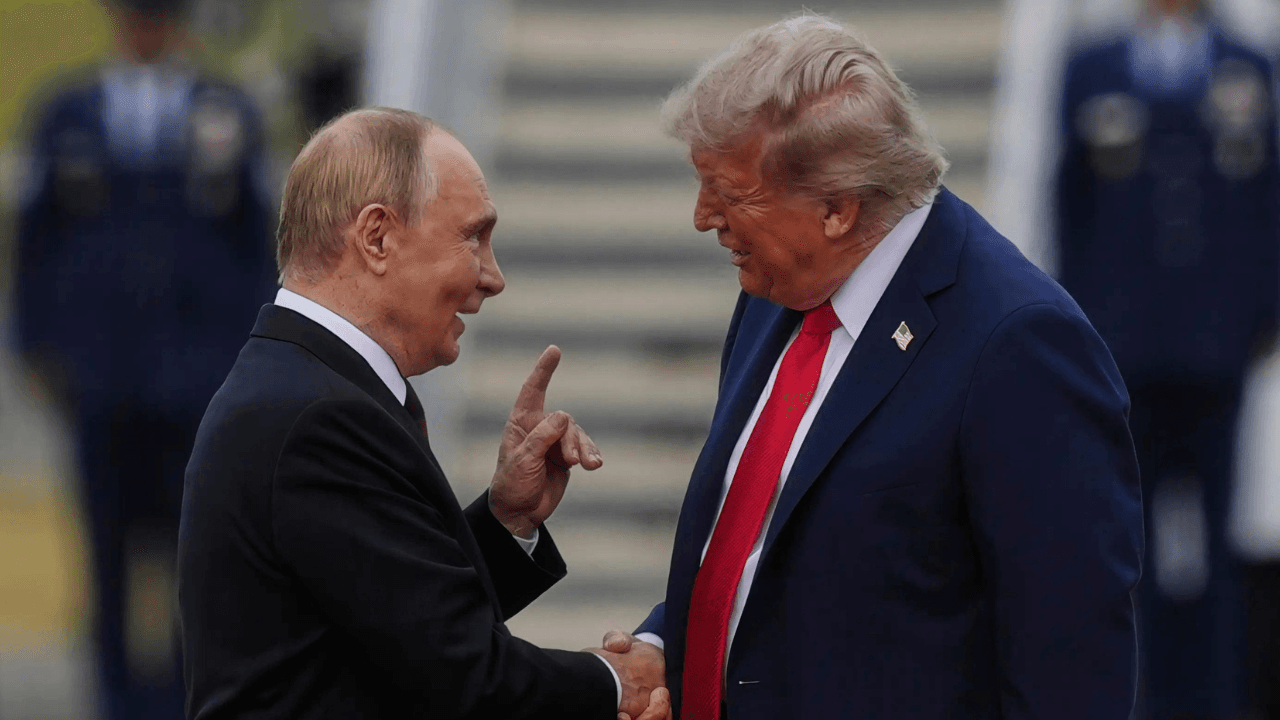
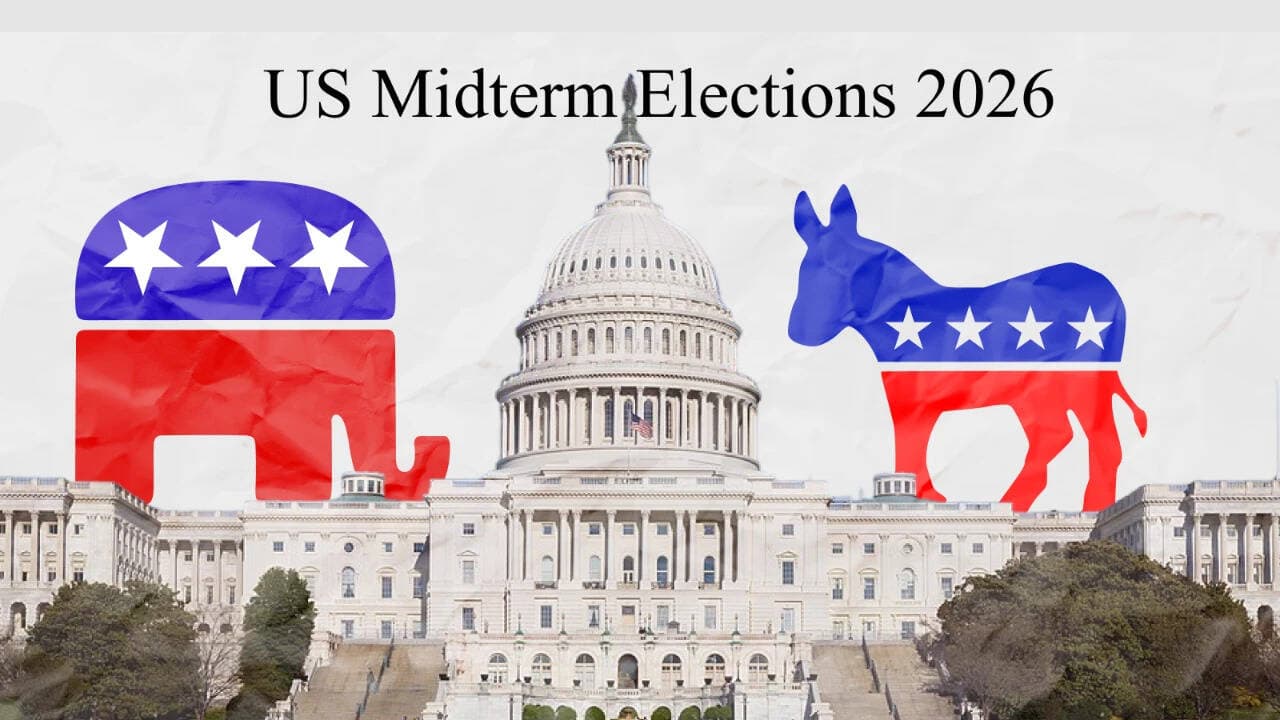
Polling stations have opened across the United States for midterm elections that will determine the balance of power in Congress for the final two years of President Donald Trump’s term. These contests serve as a critical referendum on the administration, with voters weighing concerns over the cost of living and the US-led war with Iran against the current Republican agenda. The outcome will also influence the political trajectory of both parties as they look toward the 2028 presidential election.
In an unprecedented move, the US Department of Justice (DOJ) has launched its largest election-monitoring operation in history. Approximately 1,000 monitors have been deployed across all 50 states to observe polling locations in 126 counties. Assistant Attorney General Harmeet K. Dhillon of the DOJ's Civil Rights Division stated, "We are deploying the largest monitoring effort in DOJ history, and pursuing transparency for elections in an assertive and nondiscriminatory manner."
These monitors are tasked with ensuring compliance with federal voting laws, including protections against discrimination and voter intimidation. They are also responsible for verifying that polling sites provide necessary language assistance and equal access for voters with disabilities. The DOJ has clarified that these monitors are not law enforcement, do not have access to ballots or voting machines, and are strictly prohibited from interfering with the voting process or the vote count.
Control of Congress hangs in the balance, with Democrats needing a net gain of four seats in both the House and Senate to overturn the current Republican majorities of 218-214 and 53-47, respectively. While Democrats are widely expected to secure the House, the Senate remains a tight race. A Democratic victory in either chamber could trigger investigations into the administration’s ethics, immigration policies, and the handling of the war in Iran.
Election officials have expressed concerns that close races could lead to disputes over ballot certification and voter eligibility. Potential issues such as machine malfunctions, long queues, and challenges from partisan poll watchers may result in litigation and delayed outcomes. Furthermore, the potential for a contested result remains a focal point, given President Trump’s history of challenging election processes and his previous false claims regarding the 2020 election.
Voter turnout among core supporters is expected to be the deciding factor. While polls indicated higher enthusiasm among Democrats, historical trends show lower participation rates among young, Black, and Hispanic voters during midterm cycles. The results of these elections are expected to shape internal party debates regarding future policy platforms and leadership heading into the 2028 presidential cycle.