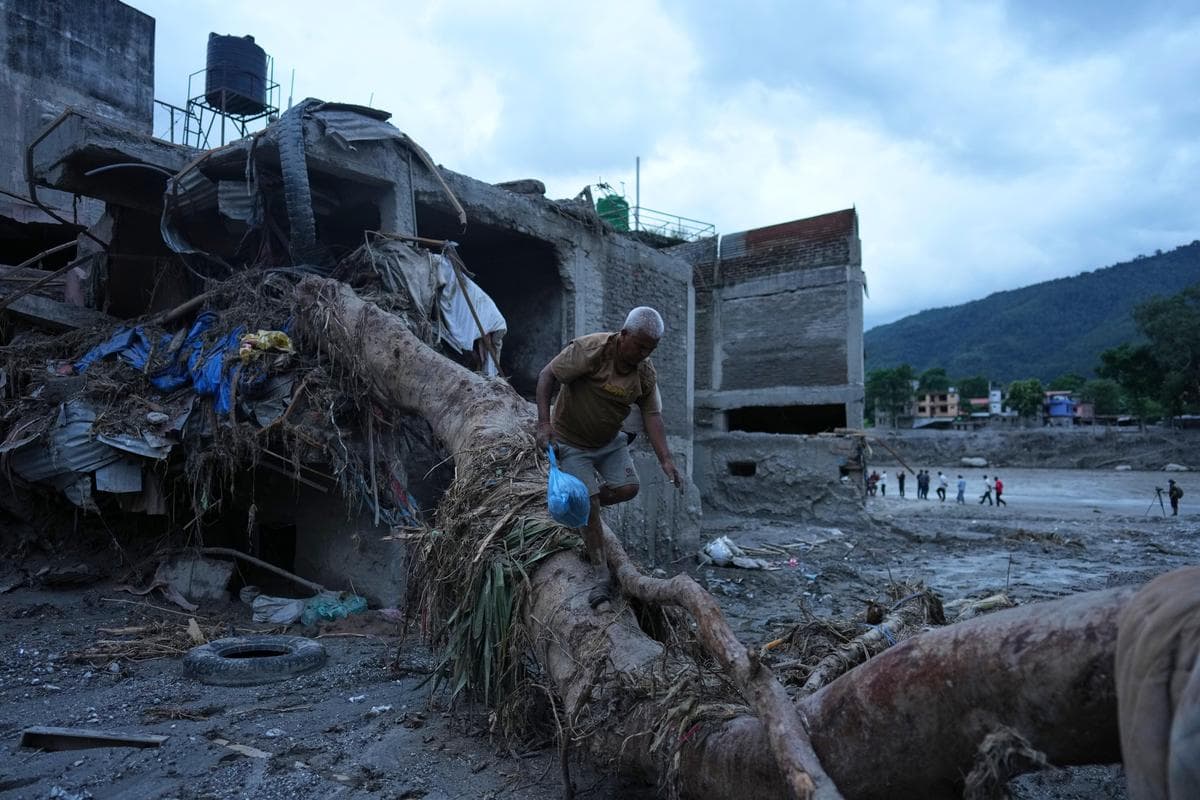

The $1.3 billion NASA-ISRO Synthetic Aperture Radar (NISAR) mission, designed to monitor Himalayan hazards including glacial movements and landslides, has faced scrutiny following a catastrophic flash flood in Nepal's Rasuwa district. Despite the satellite's advanced capabilities and its primary objective to track such environmental disasters, no public NISAR-based analysis or warning insights regarding the event have been released by NASA or ISRO.
While ISRO and NASA recently celebrated the mission's first year of operations, experts and policymakers are questioning the lack of data transparency during this major disaster. Although the mission has previously provided critical data for other events, such as the 2026 Venezuela earthquakes, the absence of information regarding the Nepal tragedy has sparked concerns about the satellite's practical application in real-time disaster management.
In response, NISAR Project Scientist Dr. Paul Rosen stated that the satellite collects raw data rather than performing automated analysis, noting that researchers require time to develop tools to identify anomalous behaviors. He emphasized that as the first mission of its kind, it will take time to fully understand the data's potential for forecasting such complex events.