
The Southwest Monsoon, which typically commences on June 1st, began four days late this year, on June 4th.
June recorded a national average rainfall of 99.5 mm, a significant 40% deficit compared to the usual 165 mm. States like Kerala and Karnataka are experiencing severe rainfall shortages.
Kerala registered 427 mm against a normal of 648 mm, marking a 34% deficit. Karnataka recorded 121 mm, a 39% shortfall from its usual 200 mm. Conversely, Tamil Nadu, a rain-shadow region, received 72.2 mm, which is 42% above its normal for the period.
Despite this, cities like Chennai endured intense heat during June. The rainfall deficit in Kerala and Karnataka has led to a drastic reduction in water levels in key reservoirs. Specifically, Kodagu district faces a 63.7% deficit, Chikkamagaluru district 63.5%, and Udupi district 54%. Consequently, water storage in Karnataka's Cauvery rivers stands at a mere 34.33 TMC, far below the normal 114.57 TMC.
In Tamil Nadu, Mettur Dam holds only 40.5 TMC of water, a stark contrast to the 93 TMC recorded on the same day last year. Other vital reservoirs such as Bhavanisagar, Amaravathi, and Mullaiperiyar also report critically low water levels.
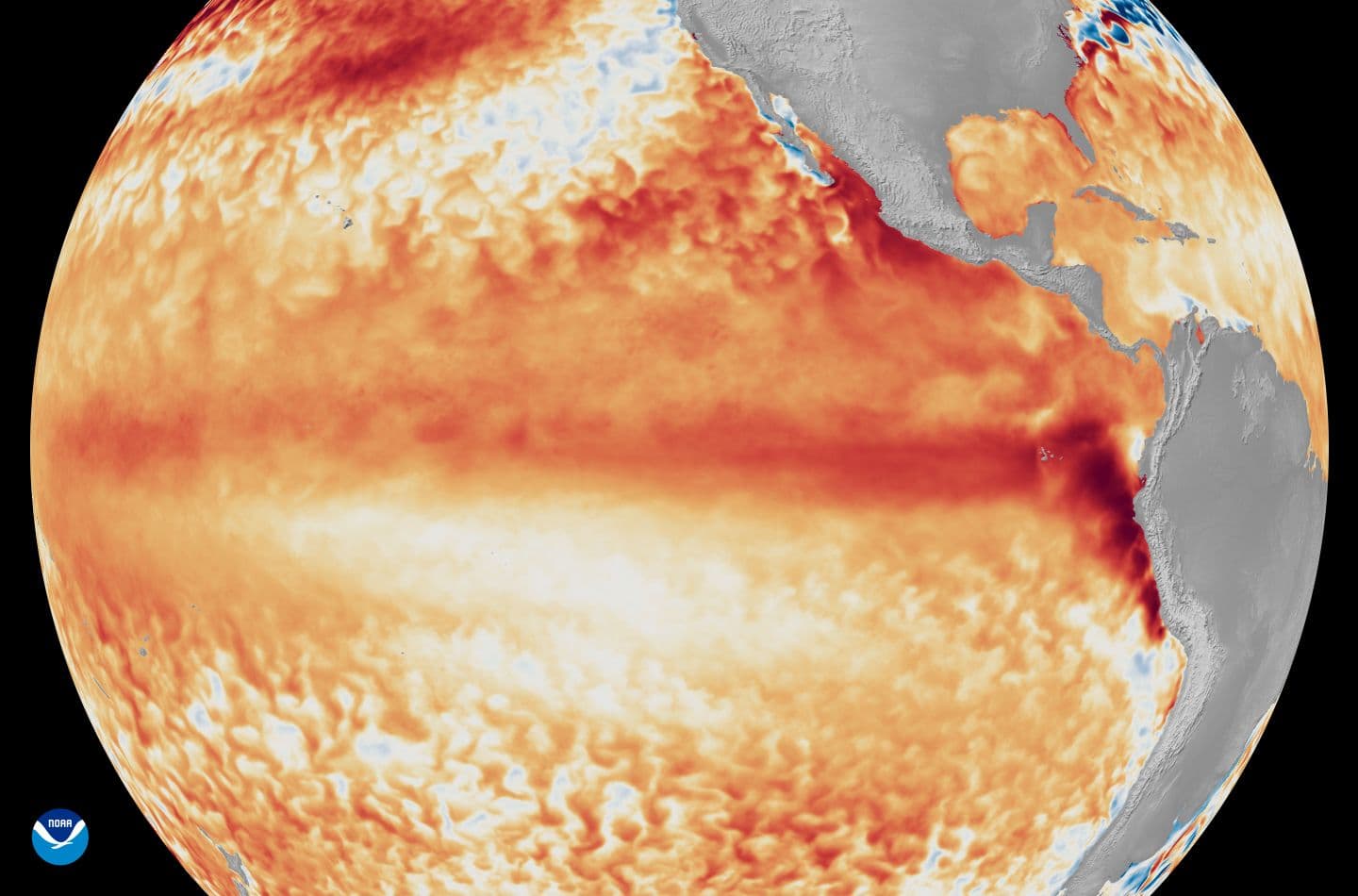
The emergence of El Niño in June is a contributing factor to the weak monsoon. Since 2012, no low-pressure areas formed in the Bay of Bengal or Arabian Sea during June this year. This absence, coupled with El Niño, prevented the monsoon from intensifying or spreading widely.
A new low-pressure area is anticipated to form around July 4th in the Northwest Bay of Bengal, potentially bringing widespread monsoon activity during the first week of July. However, the Southwest Monsoon is expected to weaken again from the second week of July, leading to a nationwide rainfall deficit for the remainder of the month.
The prospects of major reservoirs like Mettur, Mullaiperiyar, and Bhavanisagar filling up this year appear increasingly dim, raising significant concerns.
0Likes
0Dislikes