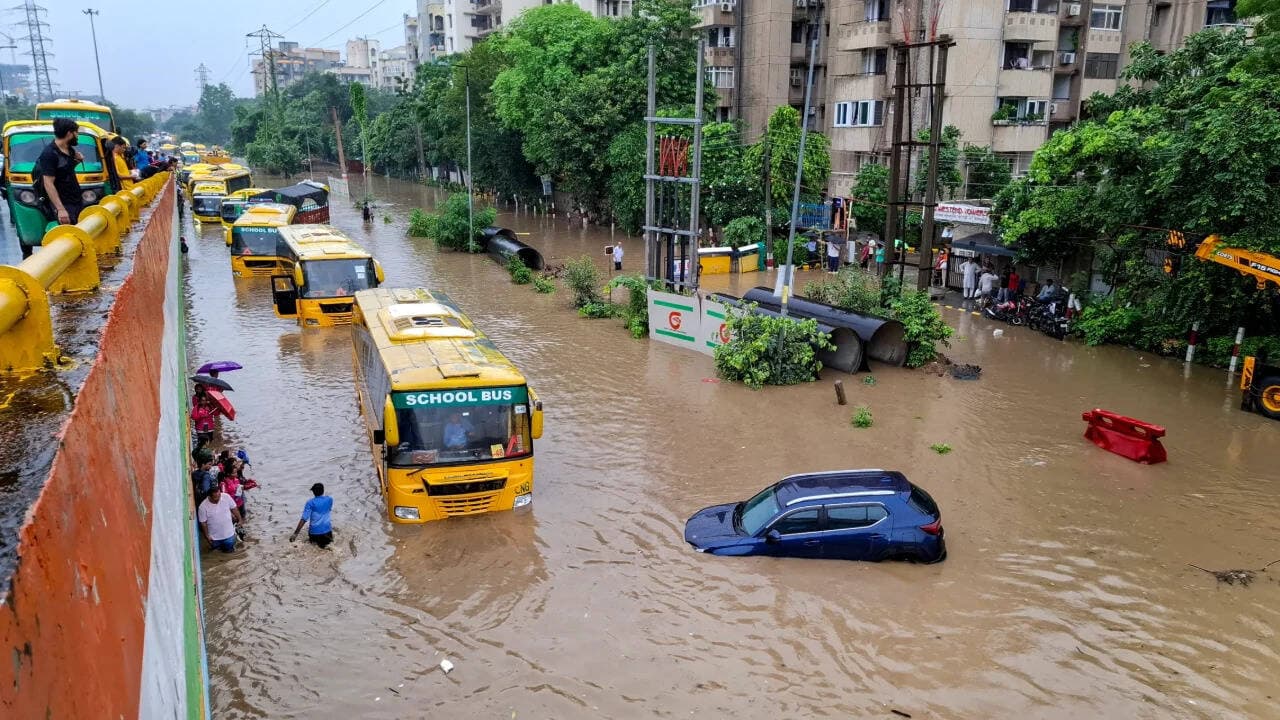
Residents of India's drought-prone Bundelkhand region are grappling with severe water shortages as temperatures reaching 48C deplete groundwater. In districts like Jalaun, the crisis is exacerbated by caste-based discrimination, which restricts Dalit families from accessing functional handpumps. Residents report being forced to wait hours for dominant-caste members to finish, with some alleging that pumps are ritually cleansed after Dalit use.
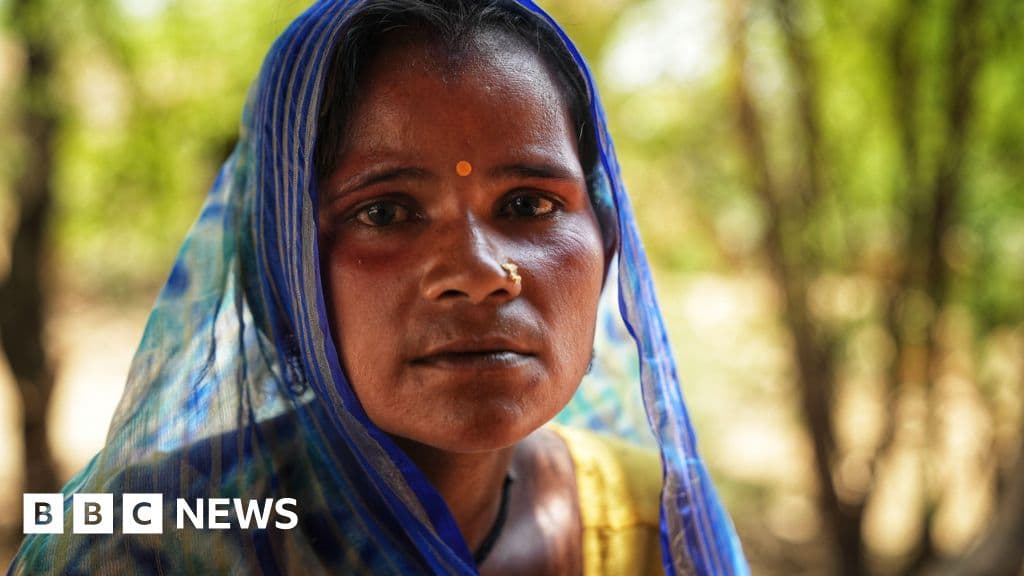
The Dalit Dignity and Justice Centre documented 113 cases of caste-based atrocities in 2025, noting that many summer disputes stem from water access. Among these, resident Parmi Devi alleged she was assaulted three years ago during a confrontation at a pump, a case in which no arrests have been made. Local officials and some dominant-caste residents have denied these claims, asserting that water access is equitable and disputing reports of widespread shortages.
While government programs like the Jal Jeevan Mission seek to bolster water infrastructure, researchers warn that climate change acts as a threat multiplier. They argue that increased supply alone cannot resolve the underlying social inequalities that continue to plague the region.