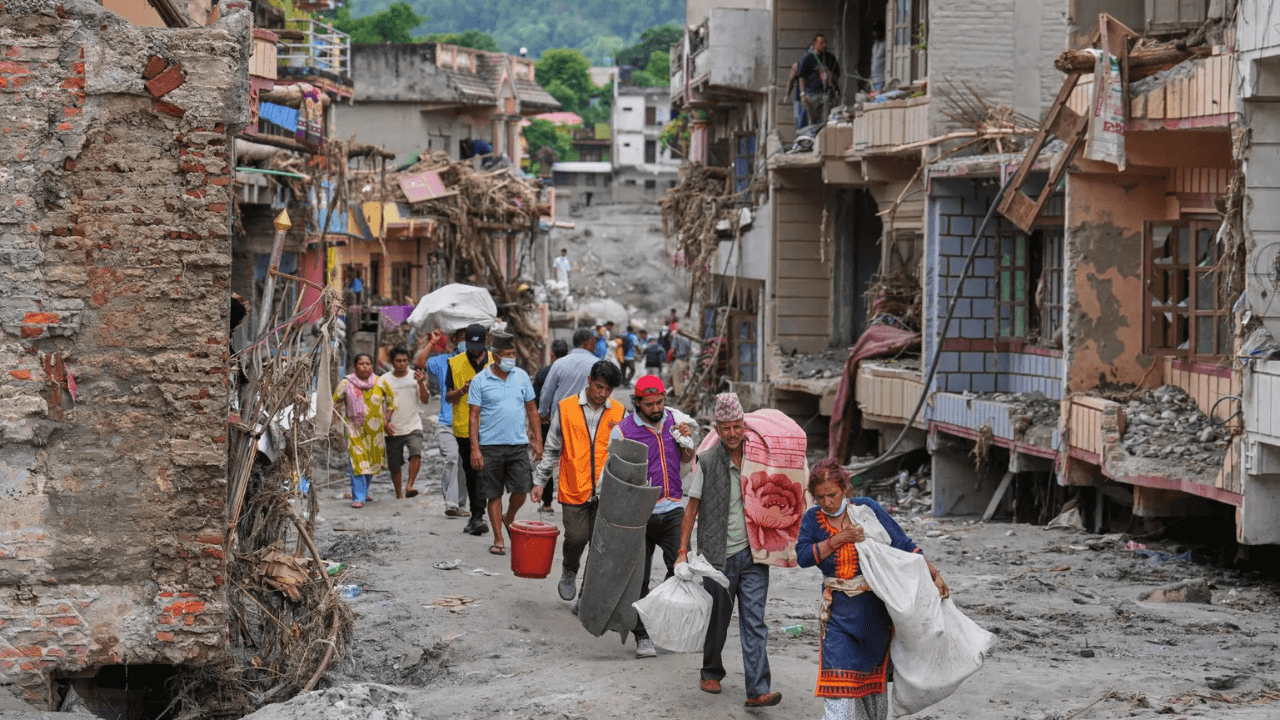

In January 2025, the Trump administration terminated funding for Project SERVIR-Hindu Kush Himalaya, a program designed to monitor landslide and flood risks in Nepal. Over a year later, a massive glacial landslide triggered devastating floods in Nepal and China, resulting in more than 1,100 deaths. Former project director Birendra Bajracharya stated that the sudden funding withdrawal halted critical efforts to improve landslide situational awareness and slope motion detection.
The project, a joint initiative between NASA, USAID, and the International Center for Integrated Mountain Development, was dismantled as part of broader cuts to USAID programs. Bajracharya noted that the abrupt cancellation left no time to transition projects to other organizations, though some streamflow and forest fire monitoring efforts initiated by the program remain operational. He emphasized that while the project might not have prevented the recent disaster, it was essential for identifying high-risk areas to improve community preparedness.
A State Department spokesperson stated that the funding cuts followed a reorganization of USAID and that the US continues to support flood mitigation in Nepal through other channels, including the World Meteorological Organization. However, geophysicist Marco Tedesco criticized the decision to withdraw resources from established monitoring projects. He warned that as the region becomes increasingly vulnerable to climate-driven geological hazards, sustained investment in early warning technologies is vital to protecting densely populated mountain communities.