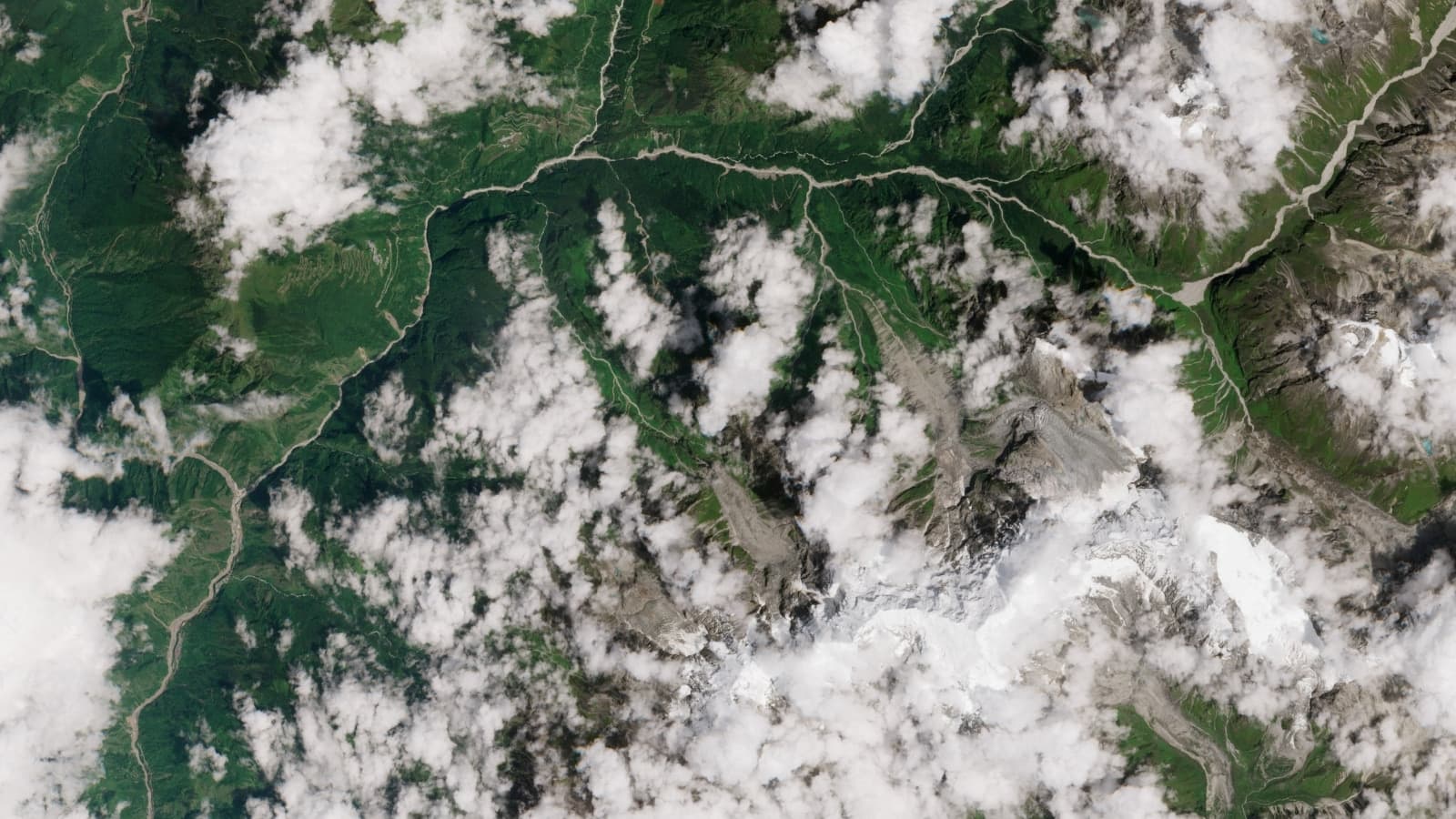
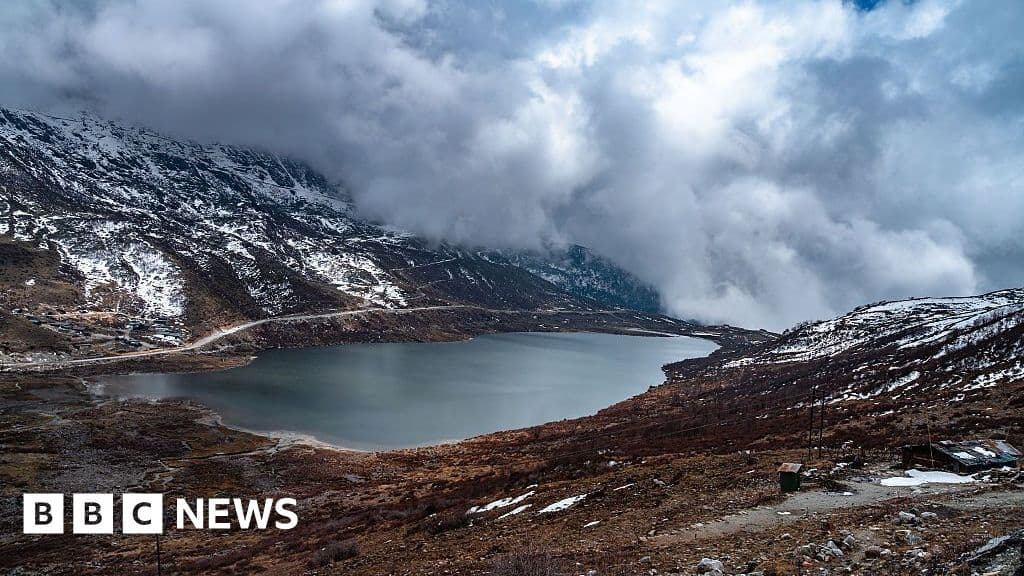
New research indicates that Himalayan glaciers are melting 65% faster than a decade ago, pushing the region toward a dangerous environmental tipping point. This rapid retreat, coupled with unstable glacial lakes and thawing permafrost, has increased the risk of catastrophic flooding, as seen in recent disasters in Nepal, Tibet, Sikkim, and Uttarakhand. Despite these threats, only 21 of the estimated 40,000 glaciers in the region are currently monitored on a sustained basis.
The report highlights that Himalayan water systems underpin approximately 20% of India's GDP, supporting vital sectors like agriculture and hydropower. However, the region faces significant economic and human risks, with experts warning that the ecological systems sustaining hundreds of millions of people are under severe strain. Black carbon emissions from sources such as brick kilns are identified as a major driver of melt that regional governments could address directly.
To mitigate these hazards, researchers recommend urgent cross-border cooperation, improved disaster early-warning systems, and a shift in tourism strategies to prioritize local value over visitor volume. Experts emphasize that because environmental risks do not respect national borders, joint investment in resilience is essential to protect the livelihoods of the vast population dependent on the mountain range.