
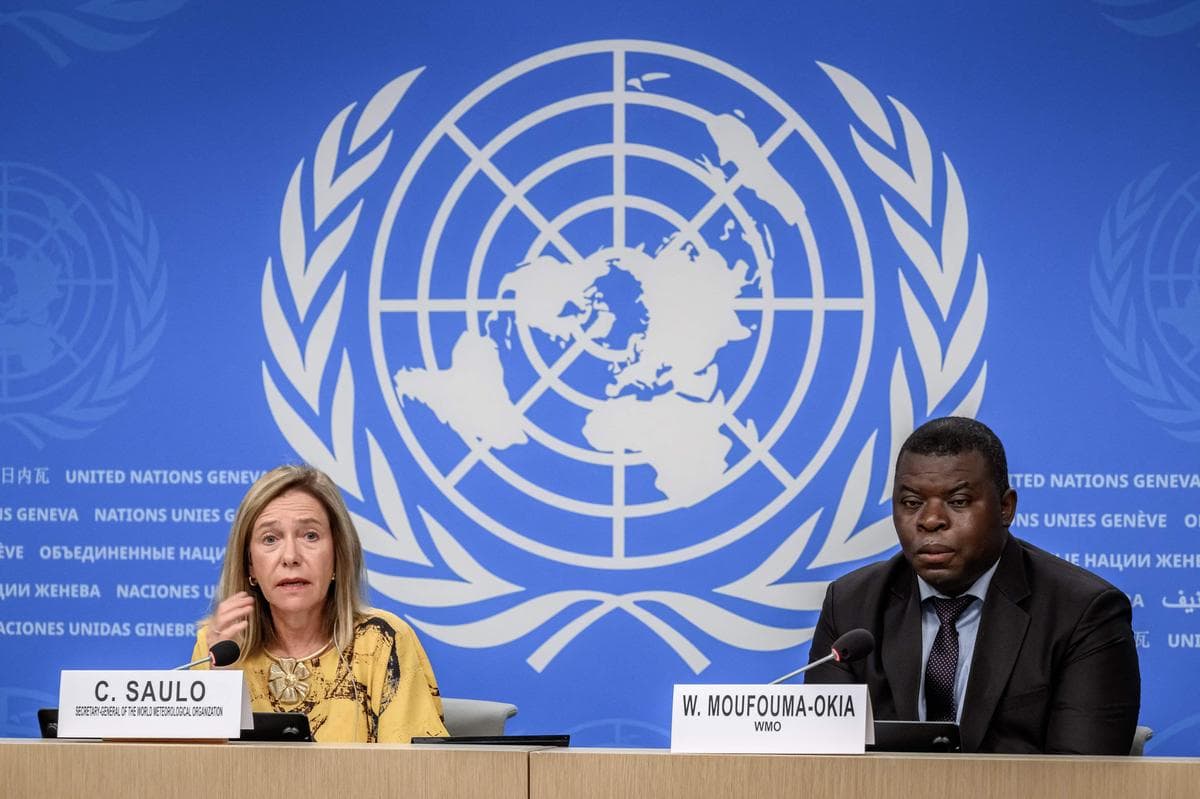
The World Meteorological Organization has warned that the current El Nino phenomenon is on track to become the strongest event since records began four decades ago. Expected to reach a "very strong" intensity in the coming months, the weather pattern is almost certain to persist through February 2027. UN Secretary-General Antonio Guterres stated that the world is currently in a "danger zone of extreme weather" as the planet enters uncharted territory.
While El Nino is a naturally occurring event, experts note it will exacerbate global warming caused by fossil fuel emissions. The WMO projects that sea surface temperature anomalies could peak at 3.6 degrees Celsius above average, significantly surpassing the intensity of previous major events in 1997-98 and 2015-16. This warming is expected to disrupt global rainfall and temperature patterns, increasing the risks of severe droughts, floods, and extreme heat.
WMO Secretary-General Celeste Saulo has urged disaster management authorities and climate-sensitive sectors to prepare for potential economic and social devastation. In response to the forecast, the International Organization for Migration has launched an appeal for $110 million to assist 4.9 million people vulnerable to the anticipated impacts. The phenomenon is expected to peak late this year, with its effects likely to continue well into 2027.